Home / Seminar
HKU Strategic Roadmapping Seminar
What is strategic roadmapping?
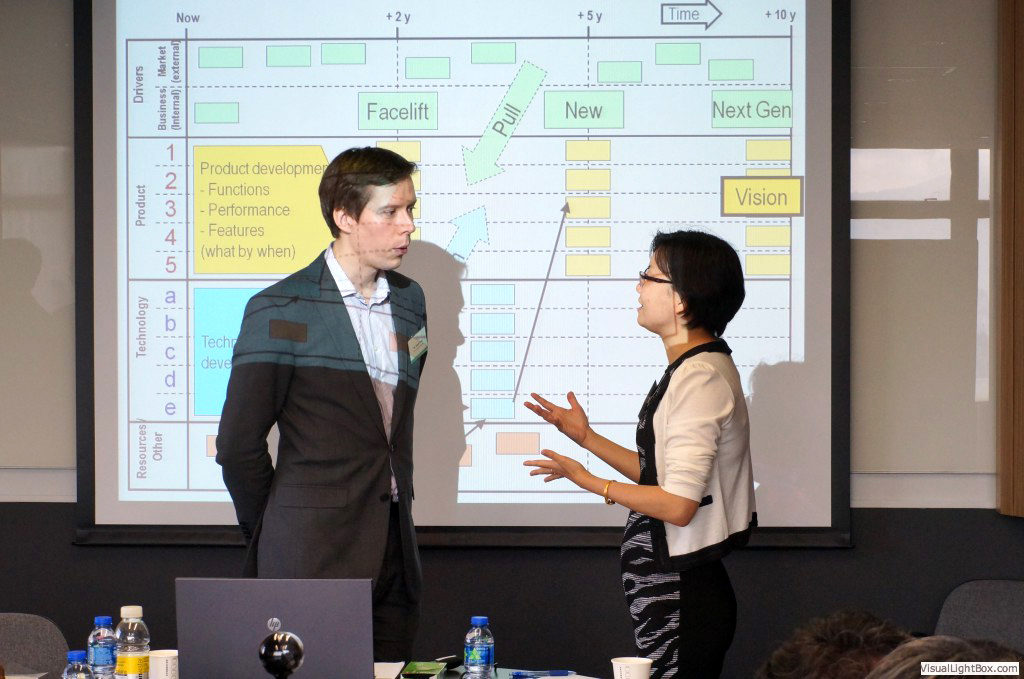
Roadmapping uses a graphical approach to visualise an entire strategy on a page. It provides a framework to help organisations tackle fundamental questions applicable in any strategic context and is used extensively at company, sector and national levels to align investment and research with strategic goals. Significant features of roadmapping are its breadth and versatility: roadmaps can encompass a very broad scope of issues and long time frames, whilst at the same time focusing down on critical details, leading to decisions and actions.
Roadmapping at CTM
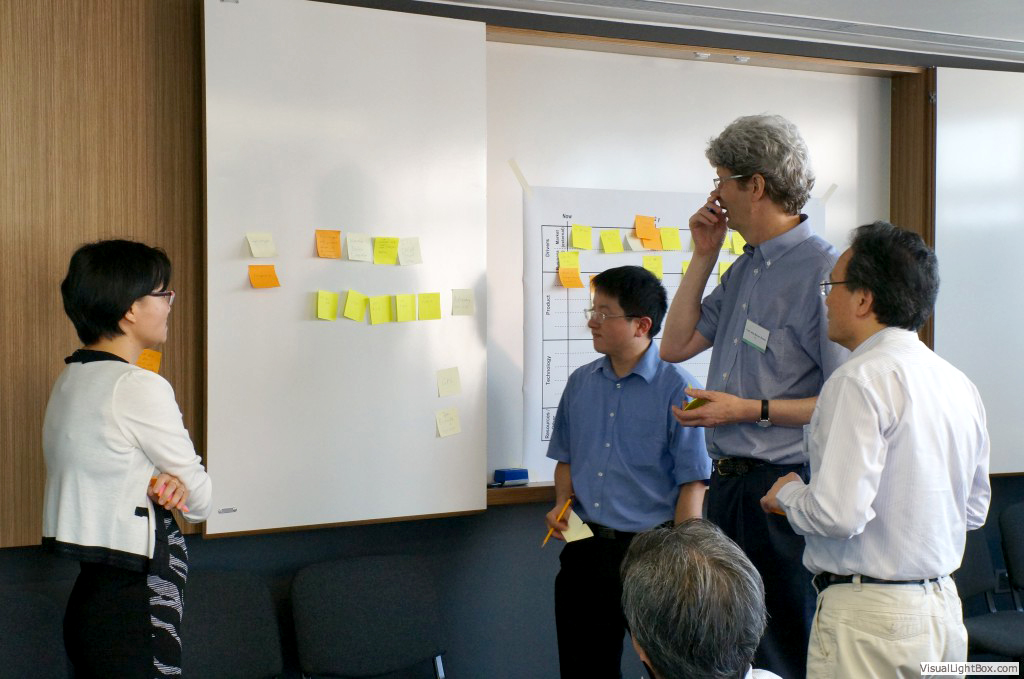
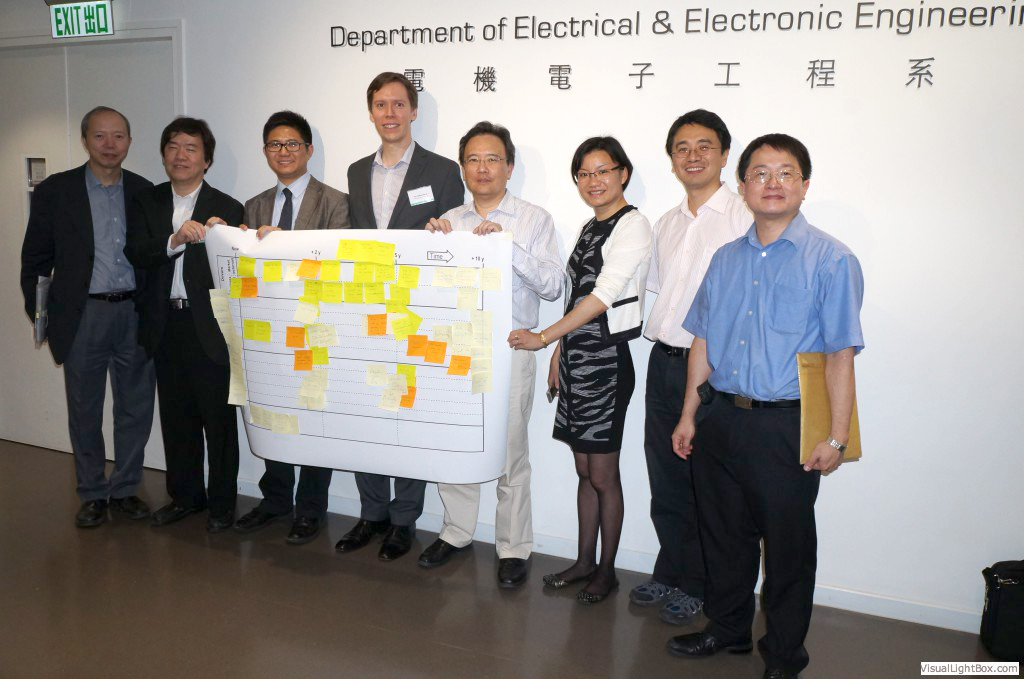
The Centre for Technology Management (CTM) is an international centre of expertise in roadmapping. The techniques have been developed over many years and have been applied in more than 200 projects around the world. Roadmapping is used to address a wide range of issues, from national research and development strategies to the identification of company-level opportunities and threats. Working closely with an organisation’s key stakeholders, facilitators design the roadmapping architecture, customise the workshop approach and deliver the roadmap findings. CTM’s highly regarded ‘Fast-state’ roadmapping tools ensure that an initial roadmap can be developed in a single, one-day workshop. The highly scalable approach can accommodate all the necessary participants, whether six people or sixty. Rapid results are possible, with a completed roadmap delivered in a matter of weeks. By involving all the stakeholders the approach helps build consensus across the organisation and wider community.
Seminar agenda
- 14:00 Introduction to strategic roadmapping
- 15:30 Refreshment break
- 15:45 Roadmapping exercise: Bicycleofthefuture
- 17:15 Close
About the seminar leader
Dr Simon Ford is a Research Associate at the Centre for Technology Management, University of Cambridge. His current research activities include understanding the complex co- evolutionary dynamics underpinning the emergence of technology-based industries such as additive manufacturing, and how to organise the front end of innovation. He holds a PhD in Engineering and can be contacted at sjf39@cam.ac.uk.
Photos